What you'll need
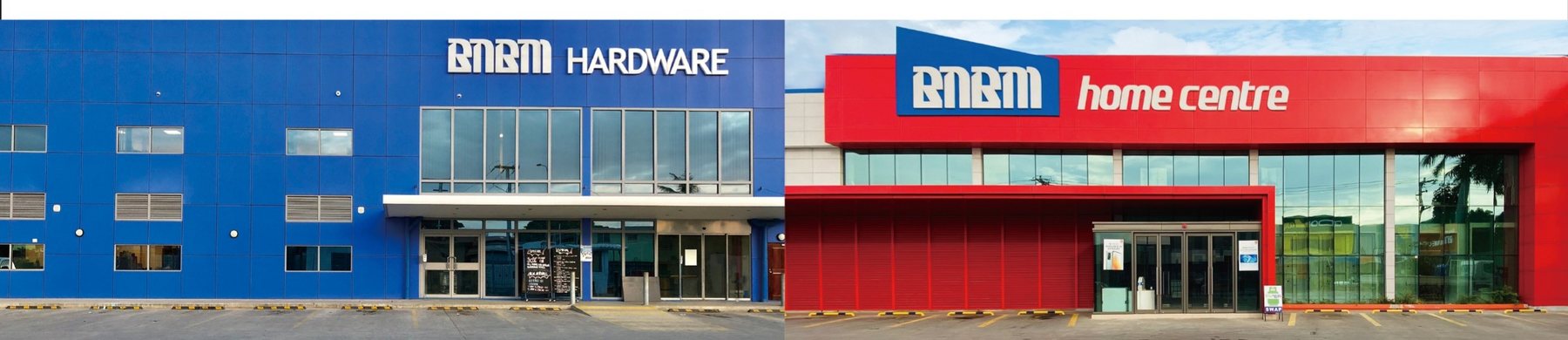
Everything here is stocked across our branches.
- Cement
- Sand, aggregate & blocks (Other building materials)
- Reinforcing steel & mesh (Steel)
- Wheelbarrow, floats & tools (Hand tools)
Step by step
- 1
Pick the right cement for the job
General-purpose (GP) cement covers most jobs — slabs, footings, blockwork. For anything in or near seawater or constantly wet ground, ask the branch about a sulfate-resisting or blended cement, which stands up better to aggressive conditions. Buy only what you will use soon: cement that has sat in a humid store goes hard and lumpy and should not be used.
- 2
Get the mix ratio right
A common general mix is about 1 part cement : 2 parts sand : 3 parts aggregate (1:2:3) by volume for structural work; a leaner 1:2.5:4 suits paths and non-structural slabs. Measure with the same bucket every time — guessing by the shovel is why batches come out different strengths.
- 3
Control the water — less than you think
Add water slowly to a workable, not sloppy, mix. Extra water makes it easier to place but drops the strength sharply and causes cracking and dusting. The mix should hold its shape, not flow like soup.
- 4
Place, compact and finish
Place the concrete and work out the air pockets (rod or vibrate it), then screed level and float the surface. Do not overwork the surface or sprinkle dry cement on top to dry it — that makes a weak, dusty skin.
- 5
Cure it — keep it damp, do not let it bake
This is the step most people skip and it matters most in the tropics. Keep the concrete damp for several days — cover with plastic, hessian or wet sand, or keep wetting it. Concrete that dries too fast in the PNG sun ends up weak and cracked no matter how good the mix was.
Tips for the PNG climate
- Curing beats everything. A perfect mix left to bake in the sun will still crack; an ordinary mix kept damp for a week comes out strong.
- Keep cement bags off the ground and sealed — humidity turns them into rock. Lumpy cement is dead; do not use it in structural work.
- Near the sea or in wet ground, ask about sulfate-resisting or marine-suitable cement and make sure reinforcing steel has enough cover so it does not rust and blow the concrete apart.
- Same bucket, every batch. Consistent measuring is the difference between a slab and a patchwork of strong and weak concrete.
Common questions
What mix should I use for a house slab?
Why is my concrete cracking and dusting?
How much cement do I need?
Ready to start?
Add what you need to an enquiry and choose your nearest branch. We confirm the price and what is in stock before you travel — fourteen branches in ten locations.
Browse products Find your branch